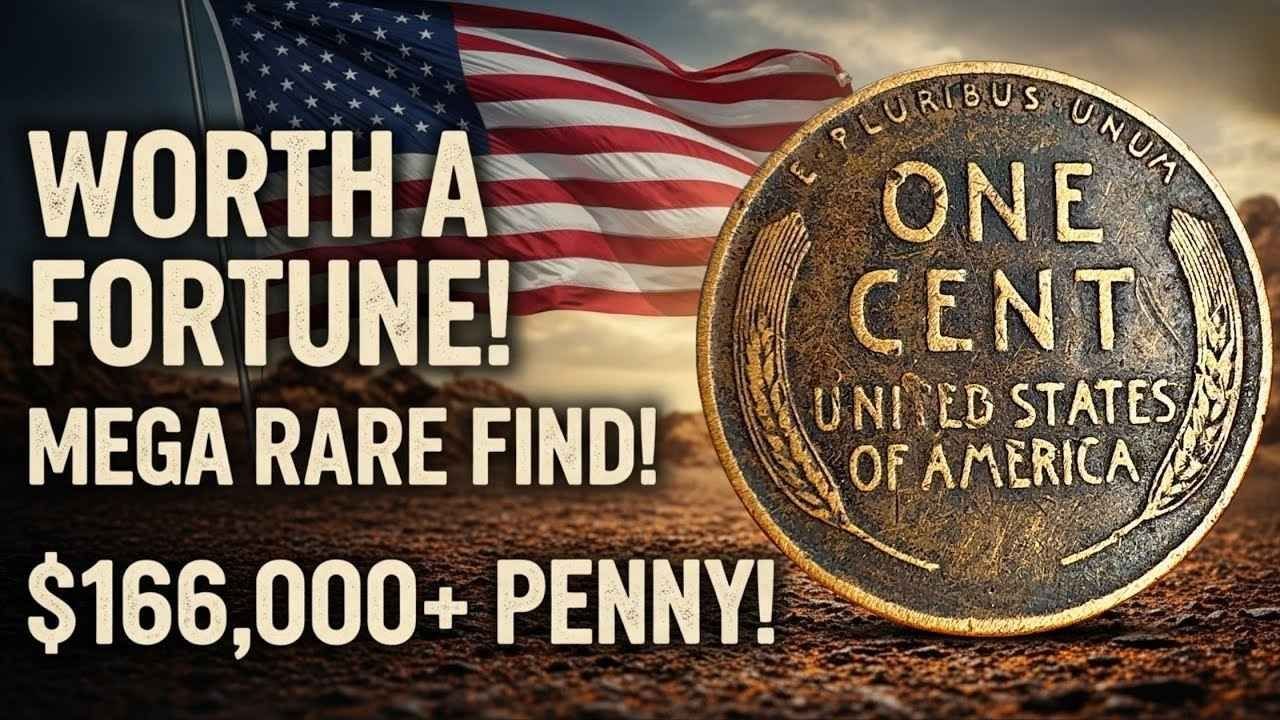
The Lincoln penny has been a cornerstone of American coinage since 1909, introduced to mark the 100th anniversary of Abraham Lincoln’s birth. Designed by Victor David Brenner, it was the first U.S. coin to feature a real person rather than a symbolic figure. Over the decades, the penny has undergone design changes but remains one of the most recognized coins in circulation. While most pennies are worth only one cent, select rare varieties and minting errors have transformed some into treasures worth hundreds of thousands of dollars—or even more.
Why Some Lincoln Pennies Are Worth a Fortune
The value of a Lincoln penny is driven by rarity, historical significance, minting anomalies, and condition. Coins struck in limited numbers, those with unusual errors, or preserved in exceptional condition can command extraordinary prices. In 2026, a Lincoln penny valued at $625,000 has captured the attention of collectors, highlighting how even the smallest denomination can hold exceptional worth.
The Legendary 1943 Copper Penny
During World War II, copper was redirected for the war effort, so pennies were struck in zinc-coated steel. A few copper pennies were mistakenly produced in 1943, creating one of the most famous rarities in American numismatics. These coins are extremely scarce, and high-grade examples can sell for hundreds of thousands of dollars. The 1943 copper penny remains a testament to how minting errors can turn everyday coins into legendary collectibles.
The 1955 Double Die Penny
The 1955 double die penny is another iconic rarity. Produced when the die misaligned during striking, the date and inscriptions appear doubled on the obverse. Collectors quickly recognized this anomaly, and the coin became highly sought after. Depending on condition, the 1955 double die penny can fetch thousands of dollars, making it a centerpiece for serious collections.
The 1969-S Double Die Penny
The 1969-S double die penny is notable for its pronounced doubling on the obverse. Its scarcity and striking error have made it one of the most desirable Lincoln pennies, with high-grade, certified examples commanding tens of thousands of dollars. Coins from this year demonstrate that valuable discoveries are not confined to the earliest issues.
The 1974 Aluminum Penny
In 1974, the U.S. Mint experimented with aluminum pennies to reduce production costs. Only a handful were struck and distributed to members of Congress before the project was abandoned. Most aluminum pennies were recalled and destroyed, but a few survived. These rare coins are now valued at hundreds of thousands of dollars, earning a legendary status among collectors.
The 2026 Market Highlight
In 2026, a Lincoln penny valued at $625,000 underscores the enduring appeal of these coins. Whether it’s a 1943 copper penny, a 1955 double die, or a 1969-S rarity, collectors continue to be captivated by these extraordinary examples. Rare pennies combine scarcity, historical significance, and pristine condition, creating pieces that are as much investment as artifact.
How to Identify Valuable Pennies
Collectors should examine dates and mintmarks closely, paying attention to unusual features such as doubling, off-center strikes, or missing details. Key years include 1943, 1955, 1969, and 1974. Using a magnifying glass and comparing coins to verified examples can help spot potential treasures. Professional grading and authentication services ensure accurate valuation and protect against counterfeits.
Condition and Grading
A coin’s condition is paramount. Graded on a scale from 1 to 70, higher numbers reflect superior preservation. Mint-state or proof-condition pennies are worth exponentially more than circulated examples. Certified grading provides collectors with confidence, particularly for high-value coins like the 1943 copper penny or the 1955 double die.
Auction Records and Collector Demand
Rare Lincoln pennies frequently make headlines at auctions, with some selling for hundreds of thousands or even over a million dollars. The 1943 copper penny, 1955 double die, and 1969-S double die are prime examples of coins that generate intense collector interest. Auction results highlight the rarity and desirability of these pennies, as well as the lengths collectors will go to acquire them.
Where to Look for Rare Pennies
Valuable pennies can appear in unexpected places. Old coin jars, inherited collections, or even everyday pocket change may conceal hidden gems. While discovering a $625,000 penny in circulation is unlikely, it’s not impossible. Checking bank rolls, proof sets, or specialized coin collections can also yield remarkable finds.
Preserving and Protecting Your Coins
Proper preservation is essential. Store coins in protective holders to prevent scratches and avoid cleaning, as this can reduce value. Consulting professional coin dealers or grading services ensures authenticity and proper valuation. Careful handling helps maintain a penny’s worth for decades.
The Thrill of Coin Collecting
Coin collecting is as much about discovery as investment. Even without finding a high-value Lincoln penny, enthusiasts enjoy connecting with history, appreciating artistry, and engaging with a passionate community. Each coin tells a story, adding depth and meaning to the hobby.
The Future of Lincoln Pennies
As time passes, Lincoln pennies will only grow in historical significance. Rare varieties and minting errors are likely to increase in value, with growing collector interest driving demand. For owners of exceptional pennies, the future looks promising.
Conclusion
The Lincoln penny is more than a coin—it is a piece of history and, in rare cases, a treasure worth hundreds of thousands of dollars. From the legendary 1943 copper penny to the 1955 double die and beyond, these coins continue to inspire collectors in 2026. Whether discovered in pocket change or auction catalogs, the possibility of finding a rare Lincoln penny adds excitement to the hobby, proving that even the smallest denomination can hold extraordinary value.