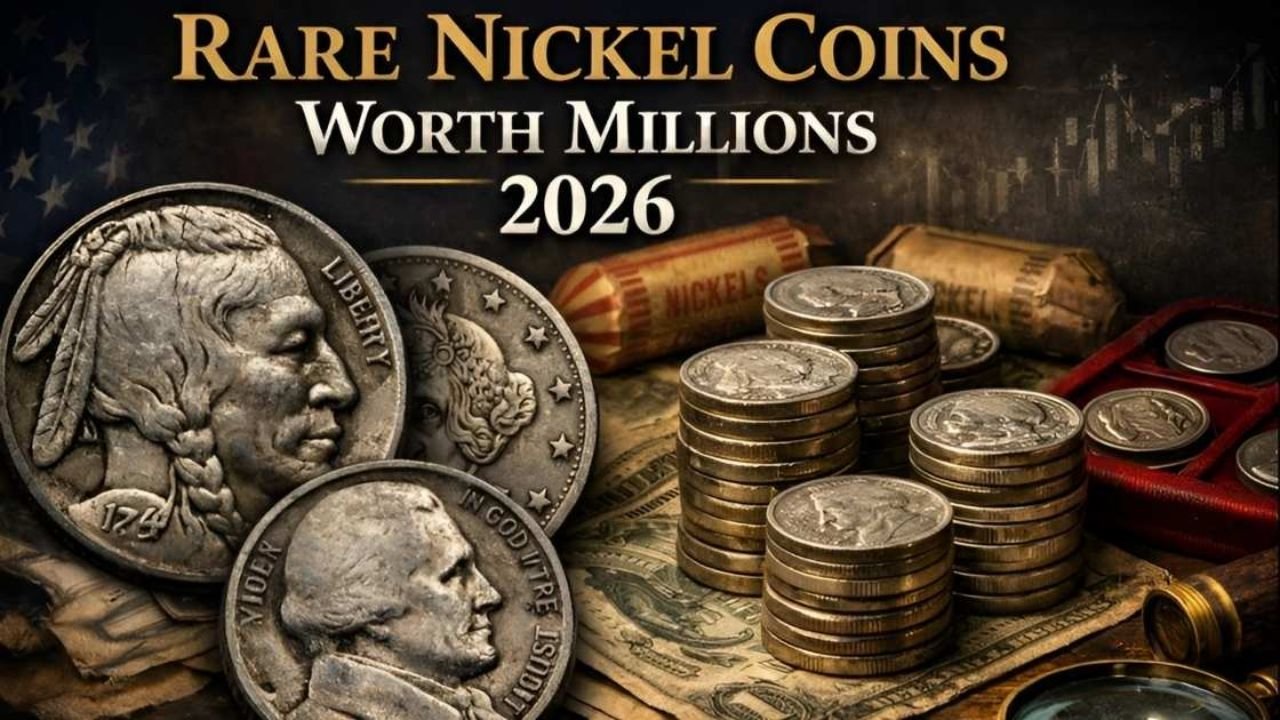
Nickel coins have been a cornerstone of American currency since the mid-nineteenth century. While most circulate at face value of five cents, certain rare varieties, minting errors, and historically significant issues have transformed ordinary nickels into highly coveted collectibles. In 2026, some of these elusive coins are commanding prices in the millions, attracting collectors and investors worldwide. This guide explores the history, rarity, and value of rare nickel coins, revealing why they remain prized treasures.
The 1913 Liberty Head Nickel
The 1913 Liberty Head nickel is arguably the most legendary of all nickels. Only five examples are known to exist, making it one of the rarest coins in American history. Struck under mysterious circumstances and never officially authorized, these coins have captivated collectors for over a century. In 2026, each surviving specimen is valued in the millions, cementing its status as the crown jewel of nickel collecting. Its rarity, combined with historical intrigue, ensures it remains a symbol of prestige in numismatics.
The 1937-D Three-Legged Buffalo Nickel
The Buffalo nickel series, minted from 1913 to 1938, is celebrated for its iconic design featuring a Native American portrait and a buffalo. Among its most famous varieties is the 1937-D three-legged buffalo nickel. Due to over-polishing of the die, the buffalo on the reverse appears to have only three legs—a striking minting error that has made the coin highly sought after. In high-grade condition, the three-legged buffalo can fetch tens of thousands of dollars, and in pristine 2026 examples, values climb well into six figures.
The 1942 Wartime Silver Nickel
During World War II, nickel became a critical war material. From 1942 to 1945, the Mint altered the coin’s composition, producing nickels with an alloy of silver, copper, and manganese. Wartime nickels are identified by a large mintmark above Monticello on the reverse. While common in circulation, rare varieties and high-grade examples are highly collectible. In 2026, certain proof issues and perfectly preserved specimens are valued in the thousands, highlighting their historical significance and appeal.
The 1964 Special Strike Jefferson Nickel
1964 marked a transition for nickels, coinciding with the end of silver coinage in dimes and quarters. A small number of special strike nickels were produced with sharper details and satin-like finishes, never intended for circulation. These coins are extremely rare and prized for their craftsmanship and scarcity. Collectors in 2026 value top-condition examples in the hundreds of thousands, underscoring their significance as one of the most sought-after modern nickel varieties.
The 2004–2005 Westward Journey Nickels
To commemorate the Lewis and Clark expedition bicentennial, the Mint issued a series of special nickels in 2004 and 2005 featuring designs like the Peace Medal, keelboat, American bison, and ocean view. While most circulated widely, certain varieties and minting errors—including double dies and misstrikes—have become rare collectibles. In 2026, some of these modern commemoratives are valued in the thousands, proving that even contemporary coins can hold hidden value for discerning collectors.
Why Rare Nickels Are Worth Millions
The extraordinary value of rare nickels stems from scarcity, historical significance, and collector demand. Coins like the 1913 Liberty Head nickel are nearly unattainable, driving prices into the millions. Error coins like the three-legged buffalo capture imagination, while wartime and special strike nickels reflect important chapters of U.S. history. Condition is paramount, with pristine examples commanding far higher premiums than circulated coins.
How to Identify Rare Nickels
Collectors should carefully examine nickels for key dates, mintmarks, and errors. Dates such as 1913, 1937-D, and 1964 are critical. Look for doubled dies, missing details, unusual finishes, or sharp special strike features. Wartime nickels are recognized by distinctive mintmarks above Monticello. Magnification and reference guides are essential tools, while professional grading services ensure authenticity and help establish market value.
The Market for Rare Nickels in 2026
The coin collecting market remains robust in 2026, with rare nickels steadily increasing in value. Auctions, coin shows, and online marketplaces abound with eager buyers. Prices fluctuate based on condition and rarity, but the trend remains upward. Stories of historical and mysterious coins—from unauthorized 1913 issues to wartime and commemorative varieties—add to their appeal, maintaining strong collector demand.
Everyday Finds and Hidden Treasures
One of the most exciting aspects of nickel collecting is the potential to discover rare coins in everyday life. While chances are slim, stories of collectors uncovering valuable nickels in circulation or old coin jars continue to inspire. Checking loose change, inherited collections, or coin rolls can sometimes reveal hidden treasures. This thrill of discovery is part of what makes coin collecting a rewarding and enduring hobby.
Conclusion
Rare nickel coins are far more than everyday currency. They are historical artifacts, symbols of American heritage, and in extraordinary cases, fortunes waiting to be found. From the legendary 1913 Liberty Head nickel to the three-legged buffalo, wartime silver issues, special strikes, and modern commemoratives, these coins capture the imagination of collectors in 2026. Each coin tells a story of history, artistry, and chance, transforming ordinary nickels into treasures worth millions. Whether you are a seasoned numismatist or a casual collector, rare nickels exemplify the enduring value of history and human curiosity.