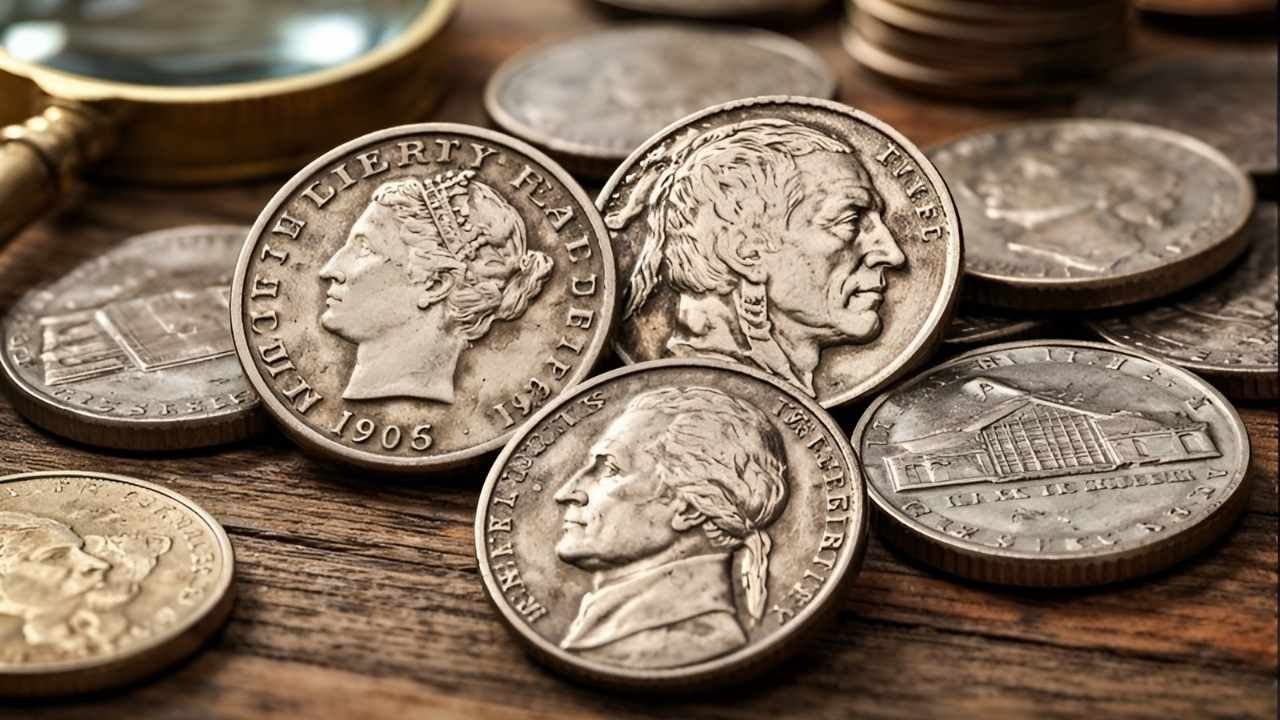
Nickels are often overlooked as minor change, yet in the world of numismatics they hold remarkable significance. Some of the most legendary and expensive coins in American history carry a simple five-cent denomination. In 2026, rare nickels continue to attract serious collectors and high-net-worth investors, driven by scarcity, historical importance, and enduring demand. This guide explores nine of the most valuable rare nickels, explaining what makes them exceptional and why they remain coveted today.
Why Some Nickels Are Exceptionally Valuable
Not all nickels are created equal. Value is shaped by a combination of rarity, condition, and historical relevance. Coins with extremely low mintages, minting errors, or unusual design features often command premium prices. Condition is equally critical, as nickels preserved in mint state or proof condition are far scarcer than worn examples. Finally, collector demand ensures that the most desirable nickels continue to appreciate over time.
1913 Liberty Head Nickel
The 1913 Liberty Head Nickel is the undisputed icon of American coin collecting. Only five examples are known to exist, making it one of the rarest U.S. coins ever produced. These nickels were struck under mysterious circumstances after the design was officially discontinued. Each surviving example has achieved multi-million-dollar valuations, placing this coin among the most valuable in the world.
1926-S Buffalo Nickel
The Buffalo Nickel series is admired for its bold depiction of Native American heritage and frontier symbolism. The 1926-S issue stands out due to its exceptionally low mintage and poor strike quality, which makes high-grade examples extremely scarce. Well-preserved specimens are highly prized and can reach significant five-figure values, making this coin a key date in the Buffalo Nickel series.
1937-D Three-Legged Buffalo Nickel
One of the most famous minting errors in U.S. history, the 1937-D Three-Legged Buffalo Nickel resulted from over-polishing of the die, which removed one of the buffalo’s front legs. The missing limb is immediately noticeable, making this coin instantly recognizable. In high grades, it commands thousands of dollars and remains one of the most sought-after error coins ever produced.
1942-D Over Horizontal D Jefferson Nickel
The Jefferson Nickel series introduced several notable varieties, but the 1942-D Over Horizontal D stands out for its clear mint mark error. A horizontal D can be seen beneath the upright mint mark, a result of a misaligned punch. This variety is scarce and highly desirable, particularly in mint condition, where values can climb into the thousands.
1950-D Jefferson Nickel
The 1950-D Jefferson Nickel is famous for its low mintage relative to other years in the series. While millions were produced, most were saved by collectors at the time, resulting in fewer pristine examples than expected. In uncirculated condition, this coin remains a cornerstone of Jefferson Nickel collections and continues to attract steady demand.
1880 Shield Nickel
Shield Nickels represent the earliest era of the five-cent denomination. The 1880 Shield Nickel is exceptionally rare, with very few examples known to exist today. Its scarcity is attributed to limited production and heavy circulation. When examples surface at auction, they often command impressive prices, making this coin a prized artifact of early American coinage.
1918-D Buffalo Nickel
The 1918-D Buffalo Nickel is another key date known for its low mintage and strong collector demand. Many surviving coins show heavy wear, which makes high-grade examples especially valuable. Collectors appreciate this nickel for its combination of rarity, historical context, and classic design, all of which contribute to its long-term appeal.
1867 Shield Nickel With Rays
Early Shield Nickels featured rays between the stars on the reverse, a design that proved difficult for minting. The rays were removed later in 1867, making Shield Nickels With Rays from that year a short-lived and rare variety. These coins are highly collectible, especially in strong condition, and can achieve substantial valuations at auction.
1916 Doubled Die Buffalo Nickel
The 1916 Doubled Die Buffalo Nickel features noticeable doubling in the date and lettering, the result of a misaligned die during production. True doubled die examples are scarce and require expert verification. When authenticated, they are highly valued and represent an exciting challenge for advanced collectors seeking rare Buffalo Nickel varieties.
The Role of Condition and Professional Grading
Condition plays a decisive role in determining the value of rare nickels. Coins are evaluated on a standardized grading scale that measures wear, luster, surface preservation, and strike quality. Even small differences in grade can result in dramatic price variations. Professional grading services provide certification that protects buyers and sellers while ensuring transparency in the marketplace.
Strategies for Collecting Rare Nickels
Successful nickel collecting begins with education and patience. Some collectors pursue complete date-and-mint sets, while others focus on key dates or error coins with the greatest upside potential. Examining inherited collections, attending auctions, and working with reputable dealers can all uncover opportunities. Proper storage and handling are essential to preserving long-term value.
Market Outlook for Rare Nickels in 2026
The market for rare nickels remains resilient, supported by steady collector interest and limited supply. As fewer high-quality examples remain available, competition for top-tier coins continues to intensify. Rare nickels with strong historical narratives and verified provenance are particularly well positioned for long-term appreciation.
Conclusion
Rare nickels demonstrate that extraordinary value can exist in the smallest denominations. From the legendary 1913 Liberty Head Nickel to dramatic error coins like the Three-Legged Buffalo, these pieces represent milestones in American numismatic history. Their appeal extends beyond monetary worth, offering collectors a tangible connection to the past. In 2026, rare nickels remain powerful symbols of scarcity, craftsmanship, and enduring collector passion, ensuring their place among the most respected treasures in coin collecting.